
To display the list of species without the image of the species see Species filters.
Use the search to limit the species displayed. To search the English name, enter the name (eg ‘Tristan Albatross’ or ‘Tristan’ not ‘Albatross, Tristan’) or part of the name in the search box. To filter on a category, select the category from the list and then press filter. Do both to filter on common name and a category (eg. ‘Albatross’ in the search box and Category ‘New Zealand’ to display albatross found in New Zealand).
Multiple conservation status values for a species may occur (see Note 1).
Species
Albatross, Amsterdam Diomedea amsterdamensis
Antarctica Australia
Endangered (ABAP) Endangered (EPBC) Endangered (IUCN)
Albatross, Antipodean Diomedea antipodensis
Australia New Zealand
Endangered (ABAP) Endangered (IUCN) Threatened – Nationally Critical (NZTCS) Vulnerable (EPBC)
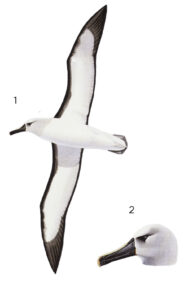
Albatross, Atlantic Yellow-nosed Thalassarche chlororhynchos
Antarctica Australia New Zealand
Endangered (IUCN)
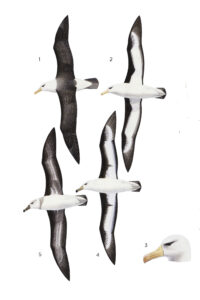
Albatross, Black-browed Thalassarche melanophris
Antarctica Australia New Zealand
Least Concern (ABAP) Least Concern (IUCN) Vulnerable (EPBC)
Albatross, Black-footed Phoebastria nigripes
New Zealand
Near Threatened (IUCN)
Albatross, Buller's Thalassarche bulleri
Australia New Zealand
At Risk (NZTCS) Least Concern (ABAP) Near Threatened (IUCN) Vulnerable (ABAP) Vulnerable (EPBC)
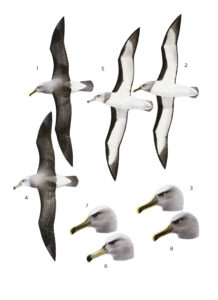
Albatross, Campbell Thalassarche impavida
Australia New Zealand
At Risk (NZTCS) Vulnerable (ABAP) Vulnerable (EPBC) Vulnerable (IUCN)
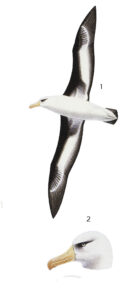
Albatross, Chatham Thalassarche eremita
Australia New Zealand
At Risk (NZTCS) Endangered (EPBC) Least Concern (ABAP) Vulnerable (IUCN)
Albatross, Grey-headed Thalassarche chrysostoma
Antarctica Australia New Zealand
Endangered (ABAP) Endangered (EPBC) Endangered (IUCN) Threatened – Nationally Vulnerable (NZTCS)
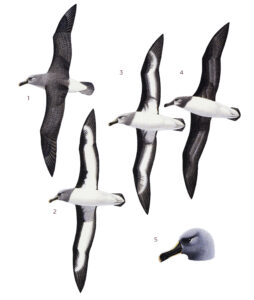
Albatross, Indian Yellow-nosed Thalassarche carteri
Antarctica Australia New Zealand
Endangered (ABAP) Endangered (IUCN) Vulnerable (EPBC)

Albatross, Laysan Phoebastria immutabilis
Australia New Zealand
Near Threatened (IUCN)
Albatross, Light-mantled Sooty Phoebetria palpebrata
Antarctica Australia New Zealand
Least Concern (ABAP) Near Threatened (ABAP) Near Threatened (IUCN) Threatened – Nationally Vulnerable (NZTCS)
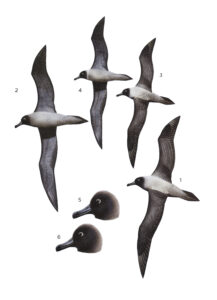
Albatross, Northern Royal Diomedea sanfordi
Antarctica Australia New Zealand
Endangered (ABAP) Endangered (EPBC) Endangered (IUCN) Threatened – Nationally Vulnerable (NZTCS)
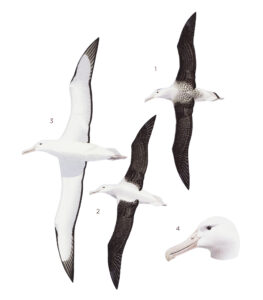
Albatross, Salvin's Thalassarche salvini
Antarctica Australia New Zealand
Least Concern (ABAP) Threatened – Nationally Critical (NZTCS) Vulnerable (EPBC) Vulnerable (IUCN)
Albatross, Shy Thalassarche cauta
Antarctica Australia New Zealand
At Risk (NZTCS) Endangered (EPBC) Near Threatened (ABAP) Near Threatened (IUCN)
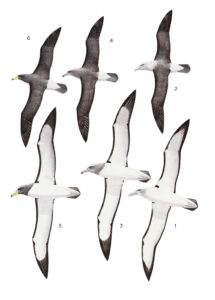
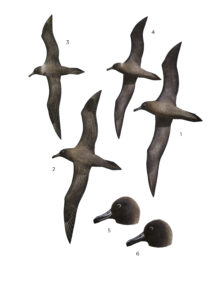
Albatross, Sooty Phoebetria fusca
Antarctica Australia
Endangered (IUCN) Near Threatened (ABAP) Vulnerable (EPBC)
Albatross, Southern Royal Diomedea epomophora
Antarctica Australia New Zealand
Endangered (ABAP) Endangered (EPBC) Least Concern (ABAP) Threatened – Nationally Vulnerable (NZTCS) Vulnerable (EPBC) Vulnerable (IUCN)
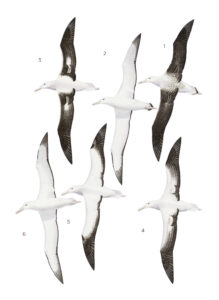
Albatross, Tristan Diomedea dabbenena
Australia
Critically Endangered (ABAP) Critically Endangered (IUCN) Endangered (EPBC)
Albatross, Wandering Diomedea exulans
Antarctica Australia New Zealand
Critically Endangered (ABAP) Vulnerable (ABAP) Vulnerable (EPBC) Vulnerable (IUCN)
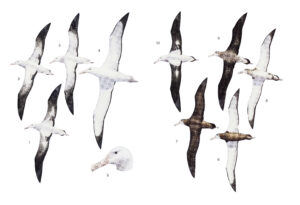
Albatross, White-capped Thalassarche steadi
Australia New Zealand
At Risk (NZTCS) Near Threatened (ABAP) Near Threatened (IUCN) Vulnerable (EPBC)
Apostlebird Struthidea cinerea
Australia
Least Concern (IUCN)
Avocet, Red-necked Recurvirostra novaehollandiae
Australia New Zealand
Least Concern (IUCN)
Babbler, Chestnut-crowned Pomatostomus ruficeps
Australia
Least Concern (IUCN)

Babbler, Grey-crowned Pomatostomus temporalis
Australia
Least Concern (IUCN)
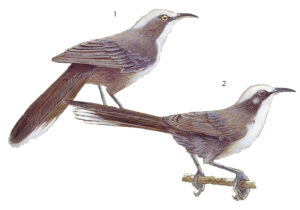
Babbler, Hall's Pomatostomus halli
Australia
Least Concern (IUCN)
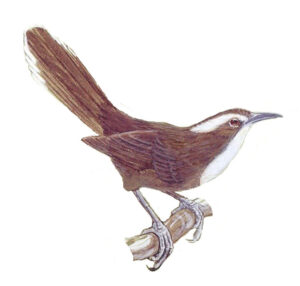
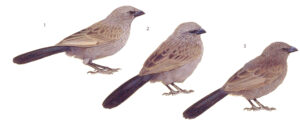
Babbler, White-browed Pomatostomus superciliosus
Australia
Least Concern (IUCN)
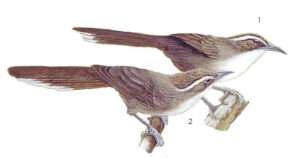
Baza, Pacific Aviceda subcristata
Australia
Least Concern (IUCN)
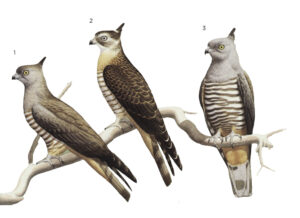
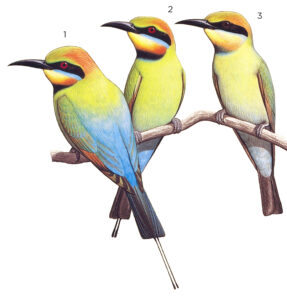
Bee-eater, Rainbow Merops ornatus
Australia
Least Concern (IUCN)
Bellbird Anthornis melanura
New Zealand
At Risk (NZTCS) Least Concern (IUCN)
Bellbird, Chatham Island Anthornis melanocephala
New Zealand
Extinct (IUCN) Extinct (NZTCS)
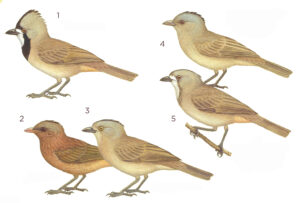
Bellbird, Crested Oreoica gutturalis
Australia
Least Concern (IUCN)
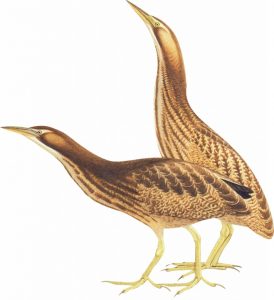
Bittern, Australasian Botaurus poiciloptilus
Australia New Zealand
Endangered (EPBC) Threatened – Nationally Critical (NZTCS) Vulnerable (ABAP) Vulnerable (IUCN)
Bittern, Australian Little Ixobrychus dubius
Australia New Zealand
Least Concern (IUCN)

Bittern, Black Ixobrychus flavicollis
Australia
Least Concern (IUCN)
Bittern, Cinnamon Ixobrychus cinnamomeus
Australia
Least Concern (IUCN)
Bittern, New Zealand Little Ixobrychus novaezelandiae
New Zealand
Extinct (IUCN) Extinct (NZTCS)
Bittern, Schrenck's Ixobrychus eurhythmus
Australia
Least Concern (IUCN)
Bittern, Yellow Ixobrychus sinensis
Australia
Least Concern (IUCN)
Black-Cockatoo, Baudin's Zanda baudinii
Australia
Critically Endangered (ABAP) Critically Endangered (IUCN) Endangered (EPBC)
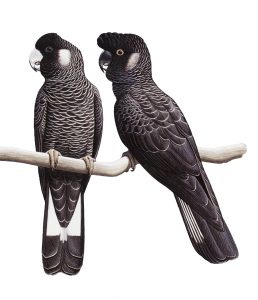
Black-Cockatoo, Carnaby's Zanda latirostris
Australia
Endangered (ABAP) Endangered (EPBC) Endangered (IUCN)
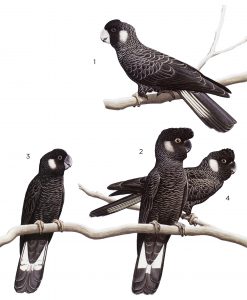
Black-Cockatoo, Glossy Calyptorhynchus lathami
Australia
Endangered (ABAP) Endangered (EPBC) Not Listed (EPBC) Vulnerable (ABAP) Vulnerable (IUCN)
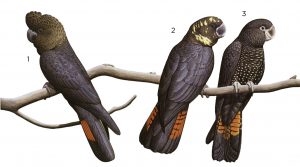
Black-Cockatoo, Red-tailed Calyptorhynchus banksii
Australia
Least Concern (IUCN) Vulnerable (ABAP) Vulnerable (EPBC)
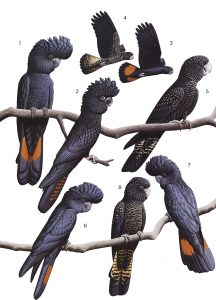
Black-Cockatoo, Yellow-tailed Zanda funerea
Australia
Least Concern (IUCN)
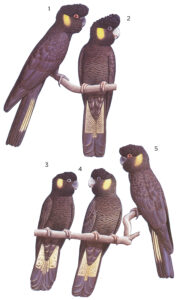
Blackbird, Common Turdus merula
Australia New Zealand
Least Concern (IUCN)
Boatbill, Yellow-breasted Machaerirhynchus flaviventer
Australia
Least Concern (IUCN)

Bonnet, Blue Northiella haematogaster
Australia
Least Concern (IUCN)
Boobook, Brown Ninox scutulata
Australia
Least Concern (IUCN)
Boobook, Christmas Island Ninox natalis
Australia
Vulnerable (ABAP) Vulnerable (EPBC) Vulnerable (IUCN)
Boobook, Northern Ninox japonica
Australia
Least Concern (IUCN)
Boobook, Southern Ninox boobook
Australia
Least Concern (IUCN) Near Threatened (ABAP) Not Listed (EPBC)
Boobook, Tasmanian Ninox leucopsis
Australia
Least Concern (IUCN)
Booby, Abbott's Papasula abbotti
Australia
Endangered (EPBC) Endangered (IUCN) Vulnerable (ABAP)
Booby, Brown Sula leucogaster
Australia New Zealand
Least Concern (IUCN)
Booby, Masked Sula dactylatra
Australia New Zealand
Least Concern (ABAP) Least Concern (IUCN) Not Listed (EPBC) Threatened – Nationally Endangered (NZTCS)
Booby, Red-footed Sula sula
Australia
Least Concern (IUCN)
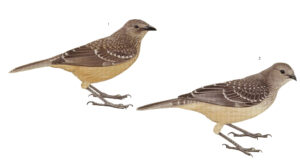
Bowerbird, Fawn-breasted Chlamydera cerviniventris
Australia
Least Concern (ABAP) Least Concern (IUCN) Not Listed (EPBC)
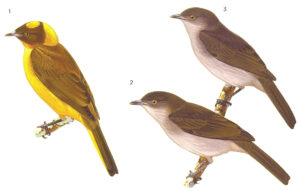
Bowerbird, Golden Prionodura newtoniana
Australia
Near Threatened (ABAP) Near Threatened (IUCN) Not Listed (EPBC)
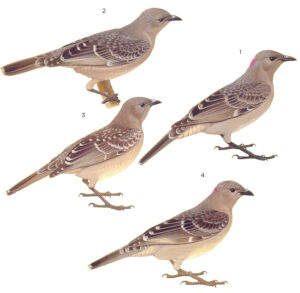
Bowerbird, Great Chlamydera nuchalis
Australia
Least Concern (IUCN)
Bowerbird, Regent Sericulus chrysocephalus
Australia
Least Concern (IUCN)
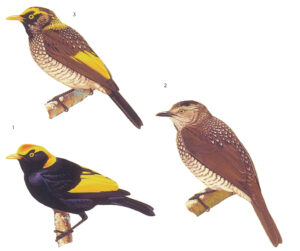
Bowerbird, Satin Ptilonorhynchus violaceus
Australia
Least Concern (IUCN) Near Threatened (ABAP) Not Listed (EPBC)
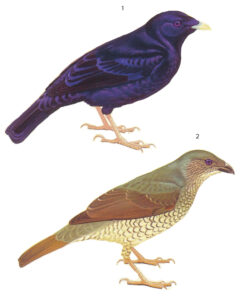
Bowerbird, Spotted Chlamydera maculata
Australia
Least Concern (IUCN)
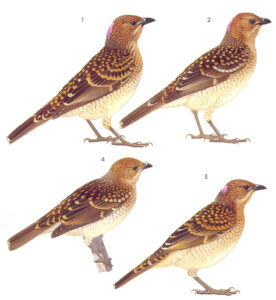
Bowerbird, Tooth-billed Scenopoeetes dentirostris
Australia
Near Threatened (ABAP) Near Threatened (IUCN) Not Listed (EPBC)
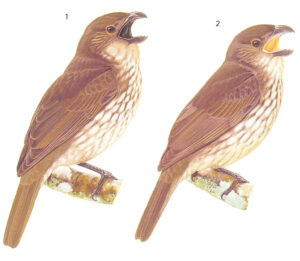
Bowerbird, Western Chlamydera guttata
Australia
Least Concern (IUCN)
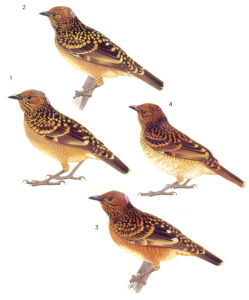
Bristlebird, Eastern Dasyornis brachypterus
Australia
Critically Endangered (ABAP) Endangered (EPBC) Endangered (IUCN) Near Threatened (ABAP)

Bristlebird, Rufous Dasyornis broadbenti
Australia
Extinct (ABAP) Extinct (EPBC) Least Concern (IUCN)
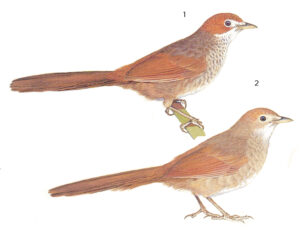
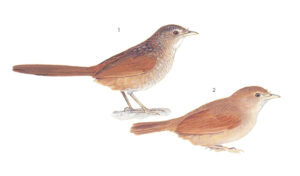
Bristlebird, Western Dasyornis longirostris
Australia
Endangered (ABAP) Endangered (EPBC) Endangered (IUCN)
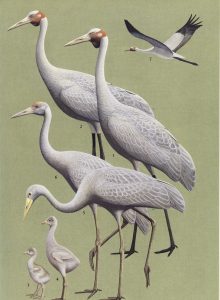
Brolga Grus rubicunda
Australia New Zealand
Least Concern (IUCN)
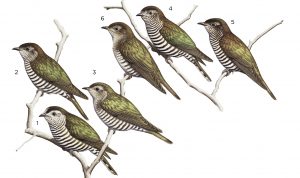
Bronze-Cuckoo, Gould's Chalcites minutillus russatus
Australia
Least Concern (IUCN)
Bronze-Cuckoo, Horsfield's Chalcites basalis
Australia
Least Concern (IUCN)
Bronze-Cuckoo, Little Chalcites minutillus
Australia
Least Concern (IUCN)
Bronze-Cuckoo, Shining Chalcites lucidus
Australia New Zealand
Least Concern (IUCN)
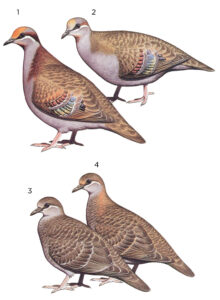
Bronzewing, Brush Phaps elegans
Australia
Least Concern (IUCN)
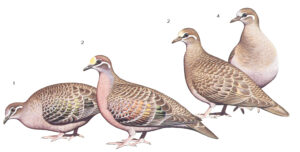
Bronzewing, Common Phaps chalcoptera
Australia New Zealand
Least Concern (IUCN)
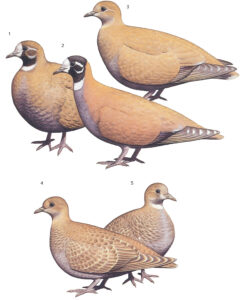
Bronzewing, Flock Phaps histrionica
Australia
Least Concern (IUCN)
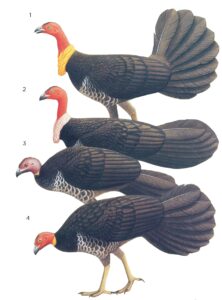
Brush-turkey, Australian Alectura lathami
Australia
Least Concern (IUCN)
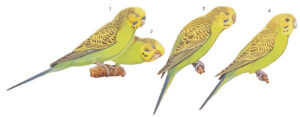
Budgerigar Melopsittacus undulatus
Australia
Least Concern (IUCN)
Bulbul, Red-whiskered Pycnonotus jocosus
Australia
Least Concern (IUCN)
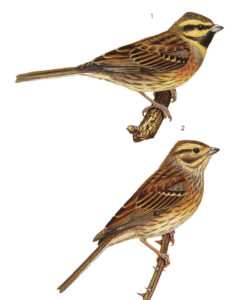
Bunting, Cirl Emberiza cirlus
New Zealand
Least Concern (IUCN)
Bush-hen, Pale-vented Amaurornis moluccana
Australia
Least Concern (IUCN)
Bushlark, Horsfield's Mirafra javanica
Australia
Least Concern (IUCN) Vulnerable (ABAP) Vulnerable (EPBC)
Bustard, Australian Ardeotis australis
Australia
Least Concern (IUCN)
Butcherbird, Black Melloria quoyi
Australia
Least Concern (IUCN)

Butcherbird, Black-backed Cracticus mentalis
Australia
Least Concern (IUCN)
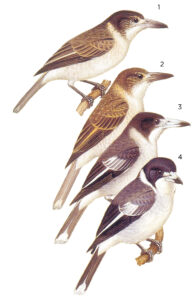
Butcherbird, Grey Cracticus torquatus
Australia
Least Concern (IUCN)
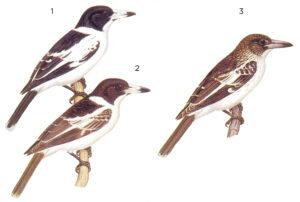
Butcherbird, Pied Cracticus nigrogularis
Australia
Least Concern (IUCN)
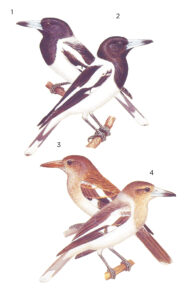
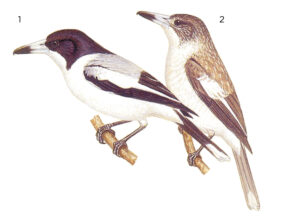
Butcherbird, Silver-backed Cracticus argenteus
Australia
Least Concern (IUCN)
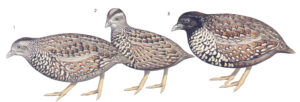
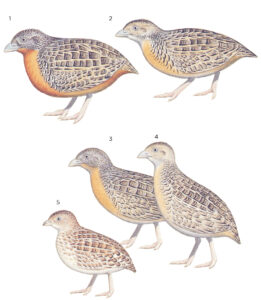
Button-quail, Black-breasted Turnix melanogaster
Australia
Vulnerable (ABAP) Vulnerable (EPBC) Vulnerable (IUCN)
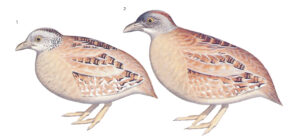
Button-quail, Buff-breasted Turnix olivii
Australia
Critically Endangered (ABAP) Critically Endangered (IUCN) Endangered (EPBC)
Button-quail, Chestnut-backed Turnix castanotus
Australia
Least Concern (IUCN)
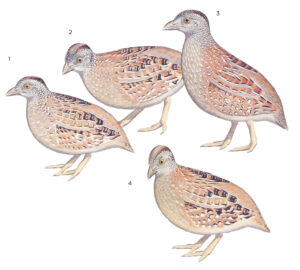
Button-quail, Little Turnix velox
Australia
Least Concern (IUCN)
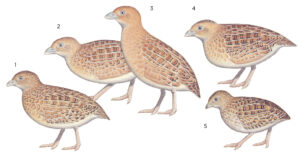
Button-quail, Painted Turnix varius
Australia
Endangered (ABAP) Endangered (EPBC) Least Concern (IUCN)
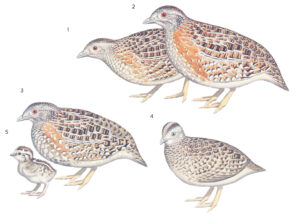
Button-quail, Red-backed Turnix maculosus
Australia
Least Concern (IUCN)
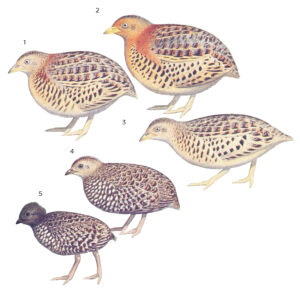
Button-quail, Red-chested Turnix pyrrhothorax
Australia
Least Concern (IUCN)
Buzzard, Black-breasted Hamirostra melanosternon
Australia
Least Concern (IUCN)
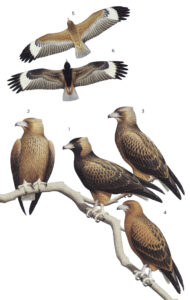
Buzzard, White-eyed Butastur teesa
Extralimital
Least Concern (IUCN)
Caracara, Crested Caracara plancus
Antarctica
Least Concern (IUCN)
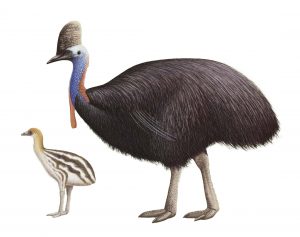
Cassowary, Southern Casuarius casuarius
Australia
Endangered (EPBC) Least Concern (ABAP) Least Concern (IUCN)
Catbird, Black-eared Ailuroedus melanotis
Australia
Least Concern (IUCN)
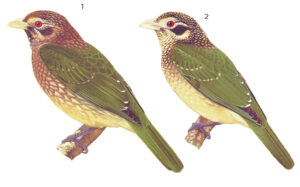
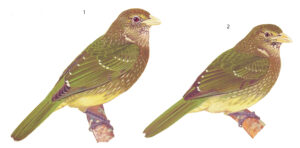
Catbird, Green Ailuroedus crassirostris
Australia
Least Concern (IUCN)
Note. 1. Multiple conservation status values for a species may occur:
- where a species is polytypic, The Action Plan for Australian Birds 2020 (ABAP) and EPBC Act may record the status at the subspecies level. As a result, the species may appear below with several statuses E.g. For Emu, the Tasmanian subspecies is extinct and the mainland subspecies has a status of Least Concern so the ABAP status is set to Extinct and Least Concern. As the listings below do not include species of least concern, Emu will only appear under the extinct category below. For Eastern Bristlebird, ABAP records the southern subspecies (brachypterus) as Near Threatened and the northern subspecies (monoides) as Critically Endangered. In this case, Eastern Bristlebird will appear under both those ACAP categories (Near Threatened and Critically Endangered)
- where a species has been split, the Conservation Status of the split species may be recorded under the old species until a separate entry is created. This may also result in multiple conservation statuses being recorded for a species.